

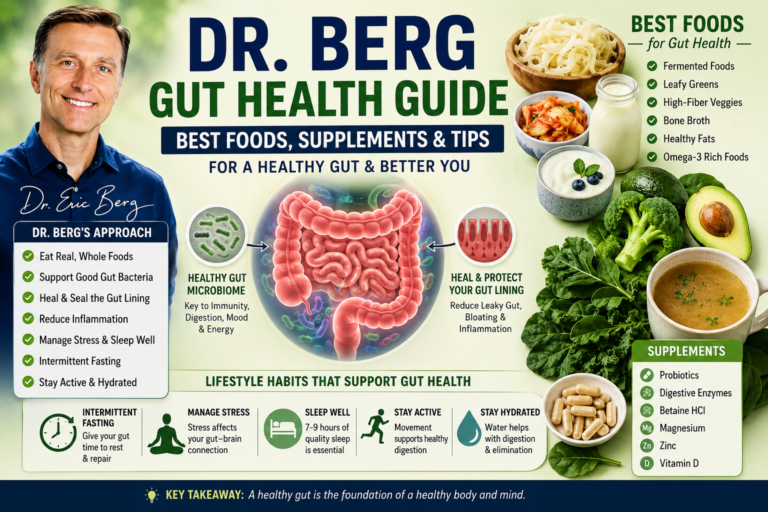
Your gut does much more than digest food. It influences nutrient absorption, immune function, metabolism, and even the communication between your digestive system and brain through what’s known as the gut-brain axis. When your gut is out of balance, you may notice symptoms such as bloating, constipation, diarrhea, fatigue, acid reflux, or food sensitivities.
One of the most recognized voices discussing digestive wellness online is Dr. Eric Berg (Dr. Berg). His videos often focus on nutrition, ketogenic eating, intermittent fasting, and ways to support gut health naturally. While some of his recommendations are widely discussed, it’s important to remember that not every claim has the same level of scientific evidence. A balanced approach that combines healthy lifestyle habits with guidance from qualified healthcare professionals is the safest path.
In this guide, we’ll explore Dr. Berg’s gut health philosophy, explain the science behind the gut microbiome, discuss foods that support digestive health, and share practical habits that can help you build a healthier gut.
What Is Gut Health?
Gut health refers to how well your digestive system functions and how balanced the community of microorganisms living inside your intestines is.
These microorganisms—collectively known as the gut microbiome—include trillions of bacteria, fungi, and other microbes. While that may sound alarming, many of these microbes are beneficial and play essential roles in keeping your body healthy.
A balanced gut microbiome helps:
- Break down food efficiently
- Produce certain vitamins
- Support immune function
- Protect against harmful bacteria
- Maintain the intestinal lining
- Produce short-chain fatty acids (SCFAs) like butyrate, which nourish colon cells
When this balance is disrupted, digestive discomfort and other health issues may develop.
Why Your Gut Microbiome Matters
Scientists now recognize the gut microbiome as one of the body’s most important ecosystems.
Healthy gut bacteria contribute to:
- Better digestion
- Improved nutrient absorption
- Reduced inflammation
- Stronger immune defenses
- Healthy bowel movements
- Better communication between the gut and brain
Research also suggests that the microbiome may influence weight management, blood sugar regulation, mood, and overall metabolic health.
Dr. Berg’s Approach to Gut Health
Dr. Berg often emphasizes that digestive symptoms usually have an underlying cause rather than being isolated problems.
His general approach focuses on:
- Improving food quality
- Reducing processed foods
- Supporting stomach acid when appropriate
- Eating nutrient-dense whole foods
- Including fermented foods
- Managing stress
- Practicing intermittent fasting (for some individuals)
- Supporting beneficial gut bacteria
Rather than relying only on medications, his philosophy encourages addressing lifestyle factors that may contribute to digestive imbalance.
Although many of these recommendations align with general healthy eating principles, some strategies—such as supplements or restrictive diets—may not be suitable for everyone. People with medical conditions should consult a healthcare professional before making significant dietary changes.
Common Signs of Poor Gut Health
Digestive issues don’t always look the same for everyone. Some symptoms are obvious, while others are more subtle.
Common signs include:
Bloating
Persistent bloating after meals may indicate food intolerance, poor digestion, excessive gas production, or an imbalance in gut bacteria.
Gas
Occasional gas is normal, but frequent excessive gas may suggest changes in the gut microbiome or difficulty digesting certain carbohydrates.
Constipation
Irregular bowel movements can result from low fiber intake, dehydration, lack of physical activity, or digestive disorders.
Diarrhea
Recurring diarrhea may occur due to infections, food sensitivities, inflammatory bowel disease, or other gastrointestinal conditions.
Acid Reflux
Heartburn isn’t always caused by excessive stomach acid. In some cases, digestive function, meal timing, or dietary habits may contribute.
Food Sensitivities
Some people notice increased discomfort after consuming dairy, gluten-containing foods, spicy meals, or highly processed products.
Fatigue
Poor nutrient absorption may contribute to low energy levels over time.
Skin Problems
Emerging research suggests a connection between gut health and skin conditions such as acne, eczema, and rosacea, although many factors can influence these conditions.
What Causes an Unhealthy Gut?
Several lifestyle habits can negatively affect the gut microbiome.
Highly Processed Foods
Ultra-processed foods are often low in fiber and high in refined sugars, unhealthy fats, and additives that may reduce microbial diversity.
Excess Sugar
High sugar intake may encourage the growth of certain less-beneficial microorganisms while reducing beneficial bacteria.
Frequent Antibiotic Use
Antibiotics can be life-saving when needed, but they may also temporarily reduce both harmful and beneficial bacteria in the gut.
Chronic Stress
The digestive system and brain communicate constantly through the gut-brain axis.
Long-term stress can:
- Affect digestion
- Change gut bacteria
- Increase inflammation
- Alter bowel habits
Managing stress is an important part of supporting digestive health.
Lack of Sleep
Poor sleep has been linked to changes in the gut microbiome and may influence metabolism and immune function.
Adults should generally aim for 7–9 hours of quality sleep each night.
Alcohol
Heavy alcohol consumption may irritate the digestive tract and disrupt the balance of gut bacteria.
Low-Fiber Diet
Fiber acts as food for beneficial gut bacteria.
Without enough fiber, healthy microbes produce fewer short-chain fatty acids, which are important for maintaining the intestinal lining.
Foods naturally rich in fiber include:
- Broccoli
- Spinach
- Lentils
- Oats
- Apples
- Berries
- Beans
- Chia seeds
- Flaxseeds
Can Gut Health Affect More Than Digestion?
Absolutely.
Researchers continue to explore how gut health may influence many areas of overall wellness.
A healthy gut may help support:
- Immune function
- Energy production
- Metabolic health
- Weight management
- Mental well-being
- Blood sugar regulation
- Nutrient absorption
- Healthy inflammation levels
Because so many body systems are connected to the digestive tract, caring for your gut may have benefits beyond digestion alone.
Dr. Berg’s Best Foods for Gut Health
Dr. Berg frequently encourages eating nutrient-dense, minimally processed foods that nourish both the body and the gut microbiome. While individual needs vary, many of these foods are supported by broader nutrition research as part of a healthy dietary pattern.
1. Fermented Foods
Fermented foods naturally contain beneficial microorganisms that can help increase microbial diversity in the digestive tract.
Examples include:
- Sauerkraut
- Kimchi
- Kefir
- Plain yogurt with live cultures
- Fermented pickles (naturally fermented, not vinegar-only)
Adding small servings regularly may support a healthier gut microbiome, especially when paired with a fiber-rich diet.
2. Leafy Green Vegetables
Leafy greens are packed with vitamins, minerals, antioxidants, and fiber.
Excellent options include:
- Spinach
- Kale
- Swiss chard
- Arugula
- Romaine lettuce
These vegetables provide nourishment for beneficial gut bacteria while supporting overall digestive health.
3. High-Fiber Vegetables
Fiber is one of the most important nutrients for maintaining a healthy digestive system because it feeds beneficial bacteria.
Good choices include:
- Broccoli
- Cauliflower
- Cabbage
- Brussels sprouts
- Asparagus
- Bell peppers
- Zucchini
As gut bacteria ferment fiber, they produce short-chain fatty acids (SCFAs) such as butyrate, which help maintain the intestinal lining.
4. Healthy Fats
Healthy fats support nutrient absorption and may help reduce inflammation when consumed as part of a balanced diet.
Examples include:
- Avocados
- Extra virgin olive oil
- Nuts
- Seeds
- Fatty fish like salmon and sardines
5. Bone Broth
Bone broth contains collagen-derived compounds and amino acids that many people include as part of a gut-supportive eating pattern. While research is still evolving, it can be a nourishing addition to a balanced diet.
6. Omega-3 Rich Foods
Omega-3 fatty acids may help regulate inflammation and support overall health.
Include foods such as:
- Salmon
- Sardines
- Mackerel
- Chia seeds
- Flaxseeds
- Walnuts
Foods That May Disrupt Gut Health
Reducing certain foods may help some people manage digestive symptoms.
Consider limiting:
- Ultra-processed foods
- Sugary beverages
- Refined carbohydrates
- Excess alcohol
- Artificial sweeteners (if they trigger symptoms)
- Deep-fried foods
- Excessive fast food
These foods may contribute to inflammation, poor digestion, or reduced microbial diversity in some individuals.
Supplements Dr. Berg Often Discusses
Diet should always be the foundation of gut health, but supplements are sometimes used when recommended by a healthcare professional.
Probiotics
Probiotics are live microorganisms that may help restore balance in the gut microbiome after illness or antibiotic use.
Potential benefits include:
- Improved digestion
- Reduced antibiotic-associated diarrhea
- Better microbial balance
Digestive Enzymes
Digestive enzymes help break down proteins, fats, and carbohydrates.
Some people with digestive disorders or enzyme deficiencies may benefit from supplementation under medical guidance.
Betaine HCl
Dr. Berg often discusses Betaine Hydrochloride (HCl) for individuals who may have low stomach acid.
However, Betaine HCl is not appropriate for everyone, especially those with stomach ulcers or certain digestive conditions. It should only be used under the guidance of a healthcare professional.
Magnesium
Magnesium supports muscle function, including the muscles involved in bowel movements. It may also help some people with constipation, depending on the underlying cause.
Zinc
Zinc is essential for immune health, tissue repair, and maintaining the integrity of the intestinal lining.
Vitamin D
Vitamin D plays an important role in immune regulation and overall health. Low vitamin D levels have been linked to certain digestive and inflammatory conditions.
Understanding Leaky Gut
One topic Dr. Berg frequently discusses is leaky gut, also known as increased intestinal permeability.
This refers to changes in the intestinal barrier that may allow larger molecules to pass through more easily than usual. While increased intestinal permeability is recognized in certain medical conditions, the broader concept of “leaky gut syndrome” remains an area of ongoing research.
Factors that may affect the intestinal barrier include:
- Chronic inflammation
- Certain infections
- Long-term use of some medications
- Poor diet
- Excessive alcohol
- Chronic stress
Supporting gut health through a balanced diet, adequate sleep, stress management, and regular physical activity may help maintain a healthy intestinal barrier.
Lifestyle Habits That Support Gut Health
Healthy digestion isn’t just about food. Daily habits matter too.
Stay Active
Regular physical activity supports healthy bowel movements and may positively influence the gut microbiome.
Aim for at least 150 minutes of moderate exercise each week.
Manage Stress
Stress can affect digestion through the gut-brain axis.
Helpful stress-management techniques include:
- Deep breathing
- Meditation
- Yoga
- Walking outdoors
- Journaling
- Spending time with family and friends
Prioritize Sleep
Most adults need 7–9 hours of quality sleep each night. Poor sleep has been linked to changes in gut bacteria and increased inflammation.
Stay Hydrated
Drinking enough water supports digestion, nutrient absorption, and regular bowel movements.
Intermittent Fasting
Dr. Berg often recommends intermittent fasting for some individuals.
Some studies suggest fasting may influence gut bacteria and metabolic health, but it isn’t suitable for everyone. People who are pregnant, have diabetes, or have a history of eating disorders should seek medical advice before trying fasting.
Gut Health and Weight Management
The gut microbiome may influence:
- Appetite regulation
- Blood sugar control
- Energy metabolism
- Fat storage
A diverse, healthy microbiome is associated with better metabolic health, although weight management also depends on overall diet, physical activity, sleep, genetics, and other factors.
The Gut-Brain Connection
Your gut and brain constantly communicate through the gut-brain axis.
This connection helps explain why stress can affect digestion and why digestive issues can sometimes influence mood.
Researchers are studying how the gut microbiome may affect:
- Anxiety
- Mood
- Cognitive function
- Stress responses
While the relationship is complex, supporting gut health is one part of maintaining overall well-being.
Gut Health and the Immune System
A large portion of the body’s immune cells are located in and around the digestive tract.
A healthy gut microbiome helps:
- Support immune function
- Maintain the intestinal barrier
- Regulate inflammatory responses
- Protect against certain harmful microbes
Eating a balanced diet rich in fiber, fruits, vegetables, and fermented foods may contribute to immune health.
A Simple 7-Day Gut Health Routine
Day 1
- Drink water after waking.
- Eat a fiber-rich breakfast.
- Include one fermented food.
Day 2
- Add leafy greens to lunch.
- Walk for 30 minutes.
- Avoid sugary drinks.
Day 3
- Eat omega-3-rich fish.
- Practice 10 minutes of meditation.
Day 4
- Snack on nuts or seeds.
- Drink enough water throughout the day.
Day 5
- Include beans or lentils in a meal.
- Get at least 7–8 hours of sleep.
Day 6
- Limit processed foods.
- Spend time outdoors or exercise.
Day 7
- Prepare balanced meals for the upcoming week.
- Reflect on which healthy habits felt sustainable.
