

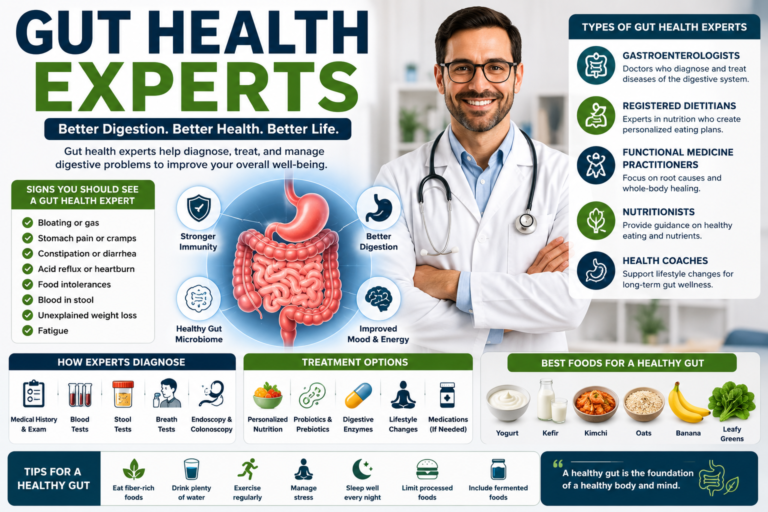
Digestive problems have become increasingly common, affecting millions of people worldwide. Whether it’s persistent bloating after meals, constipation, acid reflux, food intolerances, or symptoms of Irritable Bowel Syndrome (IBS), many people try to solve these issues with online advice or over-the-counter supplements. While healthy habits and quality probiotics can certainly help, there comes a point when expert guidance is the safest and most effective option.
This is where gut health experts play a vital role.
Gut health is no longer viewed as simply having a healthy stomach. Scientists now know that the gut microbiome—the trillions of bacteria and other microorganisms living in your digestive tract—affects far more than digestion. It influences immune function, metabolism, nutrient absorption, inflammation, and even mental well-being through the gut-brain axis.
Because the digestive system is complex, different healthcare professionals specialize in different aspects of gut health. Understanding who these experts are, what conditions they treat, and when to seek their help can save you time, reduce unnecessary treatments, and lead to better long-term health outcomes.
In this guide, you’ll learn about the different types of gut health experts, the digestive conditions they manage, and how to choose the right specialist based on your symptoms and health goals.
Why Gut Health Matters More Than Ever
A healthy digestive system does much more than break down food. It helps your body absorb vitamins and minerals, supports immune defenses, produces important compounds like short-chain fatty acids (SCFAs), and maintains a balanced gut microbiome.
When this balance is disrupted—a condition often referred to as gut dysbiosis—it may contribute to symptoms such as:
- Frequent bloating
- Constipation or diarrhea
- Excessive gas
- Acid reflux
- Abdominal discomfort
- Fatigue
- Food sensitivities
- Brain fog
Although these symptoms can have many causes, persistent digestive problems should never be ignored. Early evaluation by the appropriate specialist can help identify the underlying issue and prevent complications.
Who Are Gut Health Experts?
The term gut health experts refers to healthcare professionals with specialized knowledge in diagnosing, treating, and managing digestive health conditions. Depending on your symptoms, you may benefit from seeing a medical doctor, a registered dietitian, or another qualified healthcare provider.
Rather than offering one-size-fits-all advice, these professionals evaluate your medical history, lifestyle, dietary habits, and symptoms to develop a personalized treatment plan.
Some experts focus on diagnosing diseases of the digestive tract, while others specialize in nutrition, gut microbiome support, or long-term lifestyle changes.
Different Types of Gut Health Experts
Choosing the right expert starts with understanding what each professional does.
Gastroenterologists
A gastroenterologist is a physician who specializes in disorders of the digestive system, including the esophagus, stomach, intestines, liver, pancreas, and gallbladder.
They commonly diagnose and treat conditions such as:
- Irritable Bowel Syndrome (IBS)
- Gastroesophageal Reflux Disease (GERD)
- Crohn’s Disease
- Ulcerative Colitis
- Celiac Disease
- Colon polyps
- Chronic constipation
- Chronic diarrhea
- Digestive bleeding
When necessary, gastroenterologists perform diagnostic procedures such as endoscopy and colonoscopy to identify underlying problems that cannot be detected through symptoms alone.
If you experience severe abdominal pain, unexplained weight loss, blood in your stool, or persistent digestive symptoms, consulting a gastroenterologist is often the best first step.
Registered Dietitians
A Registered Dietitian (RD) focuses on how nutrition affects digestive health.
Many digestive conditions improve significantly with dietary changes, and an RD can create a personalized eating plan based on your health history and symptoms.
Dietitians often help patients manage:
- Food intolerances
- IBS
- Digestive discomfort
- Weight management
- Chronic constipation
- Nutrient deficiencies
They may recommend approaches such as the Low-FODMAP Diet, which has been shown to reduce symptoms in many people living with IBS.
Unlike restrictive diets found online, a dietitian helps ensure nutritional needs are still met while identifying foods that trigger symptoms.
Functional Medicine Practitioners
Some individuals with ongoing digestive concerns choose to work with functional medicine practitioners, who often focus on identifying potential lifestyle, environmental, and nutritional factors that may contribute to chronic symptoms.
Their recommendations may include:
- Nutrition counseling
- Stress management
- Sleep improvement
- Physical activity
- Targeted supplementation
- Personalized wellness plans
While this approach can complement conventional care, it’s important to seek evidence-based guidance and continue working with your primary healthcare provider, especially if you have a diagnosed digestive disease.
Nutritionists and Health Coaches
Nutritionists and certified health coaches can also support digestive wellness by helping people build healthier habits.
They often assist with:
- Meal planning
- Increasing fiber intake
- Eating more fermented foods
- Hydration strategies
- Healthy lifestyle routines
- Long-term accountability
Although they may provide valuable guidance, they are not medical specialists and should not replace medical evaluation for persistent or severe digestive symptoms.
Common Digestive Conditions Gut Health Experts Treat
Gut health experts diagnose and manage a wide range of digestive disorders, including:
Irritable Bowel Syndrome (IBS)
IBS is one of the most common functional digestive disorders. Symptoms often include abdominal pain, bloating, constipation, diarrhea, or alternating bowel habits.
Gastroesophageal Reflux Disease (GERD)
Persistent heartburn and acid reflux can damage the esophagus if left untreated. Treatment may involve dietary changes, medications, and lifestyle modifications.
Chronic Constipation
Constipation lasting several weeks or recurring frequently may require evaluation to identify contributing factors such as low fiber intake, medications, or underlying medical conditions.
Chronic Diarrhea
Ongoing diarrhea should always be assessed by a healthcare professional, especially if accompanied by dehydration, weight loss, or blood in the stool.
Small Intestinal Bacterial Overgrowth (SIBO)
SIBO occurs when excessive bacteria grow in the small intestine, potentially causing bloating, gas, abdominal discomfort, and nutrient absorption problems.
Inflammatory Bowel Disease (IBD)
Conditions such as Crohn’s Disease and Ulcerative Colitis involve chronic inflammation of the digestive tract and require ongoing medical management.
Signs You Should See a Gut Health Expert
Occasional digestive discomfort is normal, especially after eating heavy or unfamiliar foods. However, symptoms that last for weeks or keep coming back shouldn’t be ignored.
Consider scheduling an appointment with a gut health expert if you experience:
- Persistent bloating or excessive gas
- Frequent constipation or diarrhea
- Ongoing stomach pain or cramping
- Acid reflux occurring multiple times a week
- Blood in your stool
- Unexplained weight loss
- Difficulty swallowing
- Constant fatigue with digestive symptoms
- Food intolerances that affect your daily life
- Digestive problems after taking antibiotics
Seeking medical advice early can lead to faster diagnosis and more effective treatment while reducing the risk of long-term complications.
How Gut Health Experts Diagnose Digestive Problems
Finding the root cause of digestive symptoms often requires more than simply describing your discomfort. Gut health experts use a combination of medical history, physical examinations, and diagnostic tests to understand what’s happening inside your digestive system.
Depending on your symptoms, your healthcare provider may recommend:
Medical History and Physical Examination
The first step usually involves discussing:
- Your symptoms
- Family history
- Eating habits
- Medications
- Lifestyle
- Previous illnesses
This information often provides valuable clues before additional testing is needed.
Blood Tests
Blood work can help identify:
- Vitamin deficiencies
- Inflammation
- Celiac disease
- Infections
- Liver function problems
Stool Tests
Stool analysis may detect:
- Digestive infections
- Hidden blood
- Inflammation
- Parasites
- Digestive enzyme deficiencies
Breath Tests
Breath testing is commonly used to diagnose:
- Small Intestinal Bacterial Overgrowth (SIBO)
- Lactose intolerance
- Fructose intolerance
Endoscopy and Colonoscopy
If more detailed examination is necessary, a gastroenterologist may recommend:
- Upper Endoscopy to examine the esophagus, stomach, and small intestine.
- Colonoscopy to evaluate the large intestine and detect conditions such as inflammatory bowel disease, polyps, or colorectal cancer.
These procedures provide valuable information that cannot be obtained through symptoms alone.
Treatment Options Recommended by Gut Health Experts
Every patient is different, so treatment plans are personalized based on the diagnosis, medical history, and lifestyle.
Personalized Nutrition Plans
Diet is one of the most powerful tools for improving digestive health.
Many experts recommend:
- More fruits and vegetables
- Whole grains
- Lean protein
- Healthy fats
- Fiber-rich foods
- Fermented foods
A customized eating plan often produces better results than following generic internet advice.
Low-FODMAP Diet
For individuals with IBS, a Low-FODMAP Diet may reduce:
- Bloating
- Abdominal pain
- Gas
- Diarrhea
Because this diet can be restrictive, it should ideally be followed under the guidance of a Registered Dietitian.
Probiotics
Certain probiotic strains have been studied for digestive support, including:
- Lactobacillus
- Bifidobacterium
- Saccharomyces boulardii
These beneficial microorganisms may help restore microbial balance after antibiotics or digestive illness.
Prebiotics
Prebiotics feed the beneficial bacteria already living inside your digestive tract.
Common sources include:
- Garlic
- Onion
- Bananas
- Oats
- Asparagus
- Chicory root
Together, probiotics and prebiotics help maintain a healthy gut microbiome.
Digestive Enzymes
Some individuals have difficulty breaking down certain nutrients.
Digestive enzyme supplements may assist with:
- Protein digestion
- Fat digestion
- Carbohydrate digestion
- Lactose intolerance
These supplements should be used according to professional guidance rather than as a substitute for proper medical evaluation.
Lifestyle Changes
Many digestive conditions improve when healthy daily habits become consistent.
Gut health experts frequently recommend:
- Regular physical activity
- Drinking enough water
- Managing stress
- Sleeping 7–9 hours each night
- Limiting alcohol
- Avoiding smoking
- Eating meals at regular times
Even small lifestyle improvements can positively influence the gut microbiome.
Best Foods for a Healthy Gut
Food remains the foundation of digestive wellness.
Probiotic Foods
These naturally contain beneficial bacteria:
- Yogurt
- Kefir
- Kimchi
- Sauerkraut
- Miso
- Tempeh
Prebiotic Foods
These nourish healthy gut bacteria:
- Garlic
- Onions
- Leeks
- Bananas
- Apples
- Oats
- Asparagus
High-Fiber Foods
Fiber supports bowel regularity while promoting the production of beneficial short-chain fatty acids (SCFAs).
Excellent choices include:
- Lentils
- Chickpeas
- Beans
- Whole grains
- Berries
- Broccoli
- Leafy greens
Eating a variety of plant-based foods encourages greater microbiome diversity, which is associated with better digestive and overall health.
Foods That May Harm Gut Health
No food needs to be permanently banned for everyone, but limiting the following may benefit some people:
- Highly processed foods
- Sugary beverages
- Excess alcohol
- Deep-fried foods
- Processed meats
- Artificial sweeteners (for some individuals)
- Diets very low in fiber
Moderation and overall dietary balance matter more than eliminating entire food groups without medical advice.
How to Choose the Right Gut Health Expert
Finding the right professional can make a significant difference in your care.
Look for someone who:
- Has appropriate qualifications and licensing
- Uses evidence-based treatment approaches
- Listens carefully to your concerns
- Explains diagnoses clearly
- Creates personalized treatment plans
- Communicates openly about testing and treatment options
- Works collaboratively with other healthcare professionals when needed
Reading patient reviews can be helpful, but they should never replace professional credentials and clinical experience.
Can You Improve Gut Health Naturally?
Yes. Many people can support digestive health through sustainable lifestyle habits.
Focus on:
- Eating a fiber-rich diet
- Including fermented foods regularly
- Staying hydrated
- Exercising consistently
- Getting enough sleep
- Managing chronic stress
- Avoiding unnecessary antibiotic use
- Eating slowly and mindfully
While supplements can be helpful for some individuals, they work best alongside healthy daily habits rather than replacing them.
