

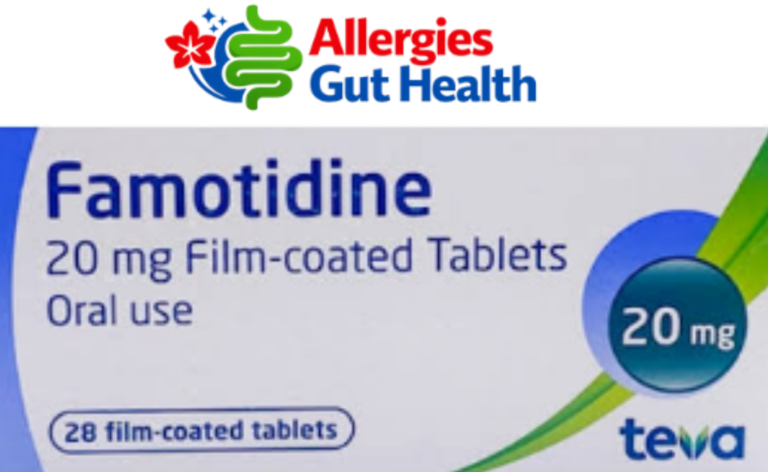
Famotidine is a medicine that lowers the amount of acid your stomach makes. It is used for heartburn, acid reflux, GERD, and stomach or duodenal ulcers. It comes as a prescription tablet and as a weaker over-the-counter (OTC) version. Common side effects are mild, such as headache, dizziness, constipation, or diarrhea. Dose depends on the condition, your age, and especially your kidney function, so follow your prescriber’s instructions.
Famotidine at a Glance
| Detail | Summary |
|---|---|
| Drug class | H2 blocker (histamine-2 receptor antagonist) |
| Brand name | Pepcid (Pepcid AC for OTC) |
| Forms | Tablets, chewable tablets, oral suspension, injection (hospital use) |
| Prescription strengths | 20 mg and 40 mg tablets |
| OTC strengths | Typically 10 mg and 20 mg |
| Main uses | Heartburn, GERD, ulcers, excess-acid conditions |
| Can be taken with food? | Yes, with or without |
| Generic available? | Yes |
What Is Famotidine?
Famotidine is an acid reducer. Your stomach lining has cells that release acid when histamine attaches to them. Famotidine blocks that signal, so less acid is produced. With less acid, irritated tissue in the esophagus, stomach, or upper intestine gets a chance to heal, and symptoms like burning ease.
It is a generic medicine, which means it contains the same active ingredient as the brand name and is held to the same standards for safety and effectiveness. Generics usually cost less.
What Is Famotidine Used For?
A doctor may prescribe famotidine for:
- Duodenal ulcers: sores in the first part of the small intestine
- Gastric (stomach) ulcers: sores in the stomach lining
- GERD without visible damage: acid reflux that causes frequent heartburn
- Erosive esophagitis: inflammation and damage in the esophagus caused by acid
- Zollinger-Ellison syndrome and similar conditions: rare problems where the stomach makes far too much acid
- Preventing ulcers from coming back: in some adults, after an ulcer has healed
OTC versions are meant for occasional heartburn and sour stomach, and for preventing heartburn when taken before foods that tend to trigger it.
Sometimes famotidine is part of a combination treatment, for example alongside other medicines for ulcers.
Prescription vs Over-the-Counter Famotidine
| Prescription | Over-the-counter | |
|---|---|---|
| Typical strengths | 20 mg, 40 mg | 10 mg, 20 mg |
| Who decides the dose | Your doctor | The package label |
| Typical use | Ulcers, GERD, erosive esophagitis | Occasional heartburn |
| Treatment length | Set by your doctor, often several weeks | Short term, usually no more than about 2 weeks without medical advice |
| Monitoring | Follow-up with your doctor | Self-managed |
If you need an OTC acid reducer more than a couple of weeks in a row, that is a sign to see a doctor rather than keep treating it yourself.
How Fast Does Famotidine Work?
Famotidine usually begins reducing stomach acid within about an hour, and the effect can last around 10 to 12 hours. That is slower than an antacid like calcium carbonate, which neutralizes acid within minutes but wears off sooner. This is why some people use an antacid for instant relief and famotidine for longer control.
When used to prevent heartburn, OTC labels generally advise taking it shortly before a meal likely to cause symptoms. Always read the package for exact timing.
Typical Famotidine Dosage
| Condition | Typical adult dose | Usual treatment length |
|---|---|---|
| Active duodenal ulcer | 40 mg once daily at bedtime, or 20 mg twice daily | Up to 8 weeks |
| Active gastric ulcer | 40 mg once daily at bedtime | Up to 8 weeks |
| GERD (no visible damage) | 20 mg twice daily | Up to 6 weeks |
| Erosive esophagitis from GERD | 20 mg or 40 mg twice daily | Up to 12 weeks |
| Excess-acid conditions | Individualized by the doctor, often started at 20 mg every 6 hours | As directed |
| Preventing ulcer recurrence | 20 mg once daily at bedtime | As directed by the doctor |
Kidney function matters. Famotidine leaves the body through the kidneys. In people with reduced kidney function, the drug can build up, so doctors usually lower the dose or space doses further apart.
Children and older adults. Dosing for children is based on weight and condition, and should only be set by a doctor. Older adults are more likely to have reduced kidney function and may be more sensitive to side effects.
Practical tips for taking it
- Timing: Take it at about the same time each day. Once-daily doses are often taken at bedtime.
- With food: You can take it with or without food.
- Missed dose: Take it when you remember, unless your next dose is almost due. Do not double up.
- Too much: Contact your doctor, a poison control center, or emergency services if you take more than prescribed or have severe symptoms.
Famotidine Side Effects
Most people tolerate famotidine well. Side effects, when they happen, are usually mild.
Common side effects
- Headache
- Dizziness
- Constipation
- Diarrhea
Mild effects often fade within days to a couple of weeks. Tell your doctor or pharmacist if they are bothersome or do not go away.
Less common but more serious effects
Seek medical help promptly if you notice:
- Confusion, agitation, hallucinations, or unusual drowsiness, especially in older adults or people with kidney problems
- Irregular or very fast or slow heartbeat, fainting
- Unexplained muscle pain or weakness
- Yellowing of the skin or eyes, dark urine, or severe stomach pain, which can signal liver problems
- Severe skin reactions, such as blistering or peeling
- Signs of an allergic reaction: rash, hives, swelling of the face, lips, or throat, or trouble breathing
Call emergency services right away for trouble breathing, swelling of the throat, or any symptoms that feel life-threatening.
In babies under one year, doctors watch for unusual fussiness, restlessness, or crying without a clear cause.
You can report side effects to the FDA through MedWatch (in the US) or to your national medicines authority.
Famotidine Interactions
Stomach acid helps some medicines dissolve and be absorbed. When famotidine lowers acid, certain drugs may work less well. Examples of medicines where acid reduction can matter include some antifungals such as ketoconazole and itraconazole, some HIV medicines such as atazanavir and rilpivirine, and some cancer drugs such as dasatinib. Famotidine can also interact with tizanidine, a muscle relaxer.
Because this list is not complete, always tell your doctor and pharmacist about everything you take, including OTC products, vitamins, herbs, and supplements.
Alcohol: Famotidine is not known to interact directly with alcohol. However, alcohol can irritate the stomach and make heartburn worse, so it can work against what you are trying to treat.
Who Should Be Careful With Famotidine?
Talk to a doctor or pharmacist before using it if you:
- Have kidney problems, since doses often need adjusting
- Have had an allergic reaction to famotidine or a similar medicine
- Are pregnant or breastfeeding
- Take other medicines that depend on stomach acid for absorption
- Are an older adult, who may be more sensitive to side effects
- Are giving it to a child
When Heartburn Needs a Doctor, Not a Tablet
Acid reducers treat symptoms. Some symptoms can point to something more serious. See a doctor promptly if heartburn comes with:
- Trouble swallowing or pain when swallowing
- Vomiting blood, or vomit that looks like coffee grounds
- Black, tarry, or bloody stools
- Unexplained weight loss
- Repeated vomiting
- Chest pain, pressure, shortness of breath, or pain spreading to the arm or jaw. These can be signs of a heart problem and need emergency care
- Heartburn lasting more than a couple of weeks despite treatment
Famotidine vs Other Heartburn Medicines
| Famotidine (H2 blocker) | Omeprazole and similar (PPIs) | Antacids (e.g., calcium carbonate) | |
|---|---|---|---|
| How it works | Blocks the signal that triggers acid | Shuts down the acid pumps in the stomach lining | Neutralizes acid already present |
| Speed | About an hour | Can take longer to reach full effect | Within minutes |
| Duration | About 10 to 12 hours | Up to 24 hours | An hour or two |
| Strength | Moderate | Stronger acid suppression | Quick, short-term relief |
| Best for | Occasional or nighttime heartburn, mild GERD | Frequent heartburn, erosive esophagitis | Instant relief of occasional symptoms |
H2 blockers can also lose some effect if taken every day for a long time, so ongoing symptoms deserve a conversation with a doctor.
Other options include the H2 blockers cimetidine and nizatidine, and lifestyle changes. Ranitidine, another H2 blocker, was removed from the US market in 2020 over a contamination concern, and that issue did not involve famotidine.
Lifestyle Habits That Can Reduce Heartburn
Medication works better when paired with habits that reduce acid reflux:
- Eat smaller meals and avoid lying down for 2 to 3 hours afterward
- Raise the head of your bed if symptoms strike at night
- Limit common triggers such as fatty or fried foods, chocolate, mint, coffee, spicy foods, and alcohol
- Avoid tight clothing around the waist
- Maintain a healthy weight
- Quit smoking
Cost and Savings
Famotidine is inexpensive as a generic, and OTC versions are widely available. Prices depend on your country, pharmacy, strength, and insurance. Ask your pharmacist about generics, larger quantities, and discount programs, and compare pharmacies before buying.
Storage and Safety Basics
- Keep tablets at room temperature, away from moisture and heat
- Keep out of the reach of children
- Check the expiry date, and ask a pharmacist how to dispose of unused medicine
FAQs
What is famotidine used for?
Heartburn, acid reflux, GERD, and ulcers of the stomach or duodenum, among other excess-acid conditions.
Is famotidine the same as Pepcid?
Pepcid is the brand name. Famotidine is the generic name for the same active ingredient.
Can I take famotidine every day?
Doctors prescribe it daily for set periods for some conditions. Using OTC versions every day for longer than the label advises without medical guidance is not recommended.
Can I take famotidine with food?
Yes, with or without food.
Does famotidine work immediately?
No. It generally starts working within about an hour. Antacids act faster.
Is famotidine safe in pregnancy?
Doctors sometimes recommend it, but you should check with your healthcare provider first.
Can famotidine be taken with alcohol?
It is not known to interact directly, but alcohol can worsen reflux.
What is the difference between famotidine and omeprazole?
Omeprazole is a proton pump inhibitor with stronger and longer-lasting acid suppression. Famotidine is milder and works faster.
What if I miss a dose?
Take it when you remember unless your next dose is close. Do not take a double dose.
Who should not take famotidine?
Anyone who has had an allergic reaction to it. People with kidney problems need dose adjustment under medical guidance.
This article is for general information only. It is not medical advice and does not replace guidance from a doctor or pharmacist.
