

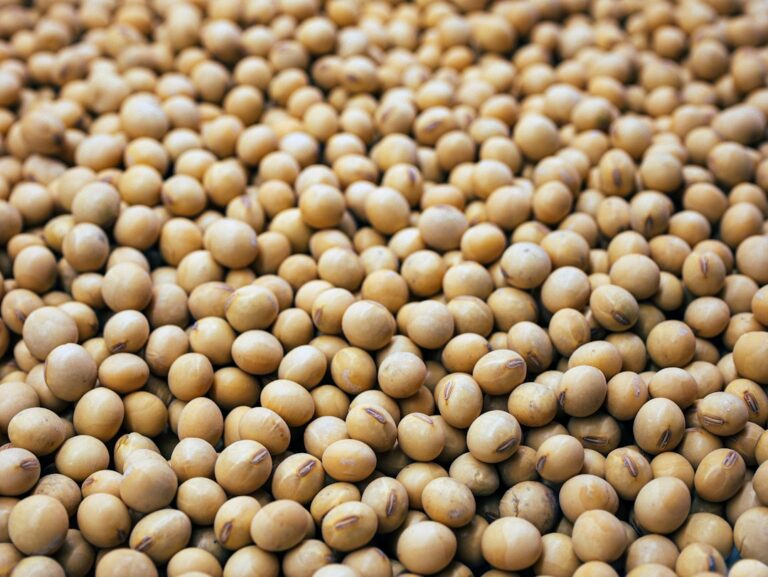
Soy allergy is an immune reaction to proteins in soybean. It is more common in children, and many children eventually develop tolerance. Reactions vary from mild hives or digestive symptoms to anaphylaxis.
Soy Allergy Symptoms
Possible symptoms include mouth itching, hives, facial swelling, vomiting, abdominal discomfort, coughing, wheezing, throat symptoms, breathing difficulty, dizziness or collapse. IgE-mediated reactions generally occur relatively soon after exposure.
When Soy Allergy Is an Emergency
Breathing difficulty, throat tightness, fainting or rapidly progressing symptoms can signal anaphylaxis. Use prescribed epinephrine when indicated by the person’s emergency plan and seek emergency medical attention.
Foods That May Contain Soy
Soy can appear in tofu, tempeh, edamame, soy milk, soy flour, soy protein and many processed foods. Ingredient labels are therefore important. Labeling requirements vary by country, so readers should follow local allergen-label rules.
What About Soy Lecithin?
Soy lecithin is highly processed and typically contains very small amounts of soy protein. Many people with soy allergy tolerate it, but individual advice matters, particularly after severe reactions. Do not use general information as permission to test a questionable ingredient at home.
Highly Refined Soy Oil
Highly refined oils contain far less protein than unrefined or cold-pressed oils, but labeling and individual recommendations vary. People with diagnosed soy allergy should follow advice specific to the product and their clinical history.
How Soy Allergy Is Diagnosed
An allergist asks about the exact soy product, amount, symptom timing, repeat reactions and tolerated soy forms. Skin-prick testing or soy-specific IgE blood testing can identify sensitization but does not independently prove clinical allergy.
Oral food challenge
A supervised oral food challenge may be considered when the diagnosis or development of tolerance is uncertain. Challenges are conducted in medical settings equipped to treat allergic reactions.
Soy Allergy vs Soy Intolerance
Food intolerance generally causes non-allergic digestive symptoms and does not produce IgE-mediated anaphylaxis. A reaction involving hives, swelling, respiratory symptoms or rapid multisystem involvement deserves allergy assessment.
Soy and Other Legumes
Soy belongs to the legume family along with peanuts, beans, peas and lentils. Botanical relatedness does not mean a soy-allergic person is automatically clinically allergic to every legume. Unnecessary avoidance can make nutrition harder.
Soy Allergy in Children
Children with soy allergy need nutritionally suitable alternatives, especially if milk or other staple foods are also restricted. Growth and nutrient intake should be monitored when the diet becomes limited. Reassessment may be appropriate because tolerance can develop over time.
Reading Labels and Avoiding Cross-Contact
Check ingredient lists every time. Packaged foods, sauces, baked products and restaurant meals can contain soy ingredients. Ask about preparation and shared equipment when cross-contact is a concern.
Soy Comes in Many Different Forms
Soybeans are used to make tofu, tempeh, edamame, soy beverages, soy flour and textured soy protein. The amount and form of soy protein differ among products, which is why an individualized history is more useful than assuming every soy-derived ingredient carries identical risk.
Soy Lecithin and Refined Soy Oil
Highly processed soy ingredients can contain much less soy protein than whole soy foods. Many soy-allergic people tolerate soy lecithin and highly refined soy oil, but this should not be turned into universal advice for a person with severe reactions. Product processing and individual history matter.
Soy and Other Legumes
Peanut, peas, beans and lentils are also legumes. Botanical relatedness can produce laboratory cross-sensitization, but soy allergy does not automatically mean clinical allergy to every legume.
How Children Are Reassessed
Because many children eventually tolerate soy, an allergist may repeat selected testing or consider a supervised oral food challenge when the clinical picture suggests the allergy may have resolved.
Nutrition Without Soy
A soy-free diet can still provide adequate protein from tolerated meat, fish, eggs, dairy, legumes, grains, nuts or seeds depending on other allergies and preferences.
Related Guides
Read peanut allergy, food allergy vs intolerance and food allergy testing.
Frequently Asked Questions
Is soy allergy common in adults?
It can occur in adults, but it is particularly recognized in childhood.
Can soy allergy go away?
Many children develop tolerance, although timing varies. An allergist can determine when reassessment is reasonable.
Does peanut allergy mean soy allergy?
No. Both are legumes, but allergy to one does not establish clinical allergy to the other.
Can I rely on a home sensitivity panel?
No. Commercial IgG food panels are not recommended to diagnose food allergy.
Bottom Line
Soy allergy should be diagnosed from a convincing clinical history and appropriate targeted testing. Accurate diagnosis helps patients avoid meaningful risks while retaining foods that are genuinely safe.
Medical Sources
ACAAI and AAAAI food-allergy educational resources and professional guidance on food-allergy diagnosis informed this article.
General educational information only.
