

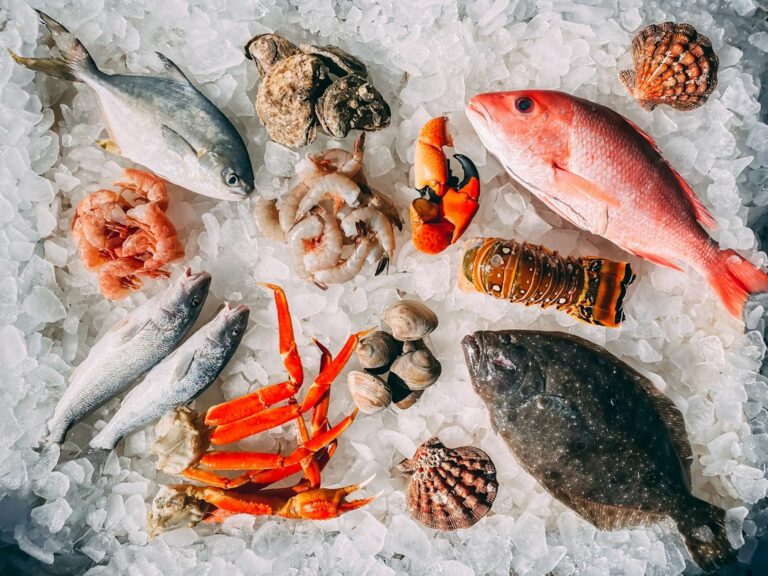
Shellfish allergy is an immune reaction to proteins in crustaceans or mollusks. Shrimp, crab and lobster are crustaceans; clams, mussels, oysters and scallops are mollusks. Shellfish allergy is an important cause of food-allergic reactions in adults and can also affect children.
People sometimes confuse shellfish allergy with food poisoning or reactions to iodine. These are different problems. A true shellfish allergy is directed against shellfish proteins, not iodine.
Common Shellfish Allergy Symptoms
Symptoms can include itching, hives, facial swelling, nausea, vomiting, abdominal pain, diarrhea, coughing, wheezing, throat tightness, shortness of breath, dizziness or collapse. IgE-mediated symptoms often begin relatively soon after exposure.
When a Reaction Is an Emergency
Trouble breathing, throat tightness, faintness or rapidly worsening symptoms involving multiple body systems can indicate anaphylaxis. Follow the prescribed emergency plan, use epinephrine promptly when indicated and seek emergency medical attention.
Crustaceans vs Mollusks
Crustaceans include shrimp, prawns, crab, crayfish and lobster. Mollusks include clams, mussels, oysters, scallops, squid and octopus. Allergy patterns vary. Reacting to shrimp does not by itself establish clinical allergy to every mollusk.
Why Shrimp, Crab and Lobster Often Cluster
Crustaceans share related allergenic proteins, so co-reactivity can occur. Tropomyosin is an important shellfish allergen. Laboratory cross-reactivity does not always predict exactly what an individual will tolerate, which is why history and specialist interpretation matter.
Shellfish Allergy Is Not an Iodine Allergy
Iodine is not the protein responsible for shellfish allergy. Having shellfish allergy does not, by itself, mean a person is allergic to iodinated contrast material. Contrast reactions have their own risk factors and should be discussed separately with a clinician.
How Shellfish Allergy Is Diagnosed
An allergist reviews the exact food, amount, preparation, symptom timing, previous tolerance and whether other shellfish are eaten safely. Targeted skin-prick or specific-IgE testing may be used. A positive test indicates sensitization and must be interpreted alongside the clinical history.
Oral food challenge
If uncertainty remains and the clinician judges it appropriate, a supervised oral food challenge can clarify whether a particular shellfish causes a clinical reaction. It should not be attempted at home when allergy is suspected.
Could It Be Food Poisoning Instead?
Shellfish can be associated with infectious or toxin-mediated illness. These can cause gastrointestinal or neurologic symptoms and may affect several people who ate the same food. Hives, swelling or immediate respiratory symptoms make an allergic mechanism more concerning, but medical assessment may be needed to distinguish them.
Cross-Contact in Restaurants
Seafood restaurants can present cross-contact risks through shared fryers, grills, utensils, steam or preparation surfaces. The practical risk depends on the restaurant and the individual’s allergy. Clearly communicating the allergy is important.
Does Cooking Destroy Shellfish Allergens?
Cooking cannot be relied upon to make shellfish safe for someone with a confirmed allergy. Some allergenic proteins remain capable of triggering reactions after heating.
Treatment and Management
Management usually centers on avoiding confirmed shellfish allergens and being prepared for accidental exposure. People at risk for anaphylaxis may be prescribed epinephrine. Antihistamines can help some mild skin symptoms but are not a substitute for epinephrine in anaphylaxis.
Why Shellfish Allergy Can Be Difficult to Self-Diagnose
Symptoms after seafood can come from allergy, infection, toxins or another ingredient. A useful evaluation identifies the exact species, cooking method, amount, symptom timing and whether anyone else who shared the meal became ill.
Crustaceans and Mollusks Are Different Groups
Shrimp, crab and lobster are crustaceans. Clams, mussels, oysters, scallops, squid and octopus are mollusks. Cross-reactivity is common within crustaceans, but a crustacean allergy does not automatically prove clinical allergy to every mollusk.
Tropomyosin and Cross-Reactivity
Tropomyosin is an important shellfish allergen and related proteins occur in other invertebrates. Laboratory sensitization can therefore be complex. An allergist interprets tests in light of actual food reactions and tolerance.
Shellfish Allergy and Iodinated Contrast
Shellfish allergy is directed against shellfish proteins, not iodine. Having shellfish allergy by itself does not create a special iodine allergy. People scheduled for contrast imaging should tell the medical team about any previous contrast reaction and relevant medical history.
Restaurant Safety
Shared fryers, grills, utensils and seafood preparation areas can create cross-contact. Clearly state the allergy and ask whether separate equipment can be used.
Related Guides
Fish is a separate allergen group. Read fish allergy and our testing guide.
Frequently Asked Questions
Can shellfish allergy start in adulthood?
Yes. Shellfish allergy is commonly reported among adults and can appear after previous tolerance.
If I am allergic to shrimp, am I allergic to fish?
Not automatically. Finned fish and shellfish are biologically different allergen groups, although a person can independently be allergic to both.
Can I eat oysters if I am allergic to shrimp?
Do not test this on your own. Crustacean and mollusk allergy patterns differ, and an allergist can determine whether targeted testing or a supervised challenge is appropriate.
Does shellfish allergy mean contrast dye is unsafe?
No special relationship exists simply because of shellfish allergy. Tell the radiology team about any previous contrast reaction and your medical history.
Bottom Line
Shellfish allergy requires an accurate diagnosis rather than broad assumptions. Knowing the exact shellfish involved, understanding cross-contact, reading labels and having an appropriate emergency plan can reduce risk without unnecessarily restricting unrelated foods.
Medical Sources
ACAAI food-allergy resources and AAAAI educational materials on food allergy and shellfish reactions were reviewed for this article.
General educational information only.
