

The gut microbiome and food allergy are linked in research, but that does not mean “healing the gut” can cure a food allergy. Human studies have found differences in gut microbial communities between some people with food allergy and people without it, while laboratory research suggests microbes can influence immune tolerance.
What Is the Gut Microbiome?
The gut microbiome is the community of microorganisms and their genetic material in the digestive tract. These organisms interact with the intestinal barrier, diet and immune system.
How Could Gut Microbes Influence Allergy?
Researchers are studying several mechanisms, including immune development, regulatory immune cells, intestinal barrier function and microbial metabolites such as short-chain fatty acids. Much of the mechanistic evidence comes from animal or laboratory work, so it cannot automatically be translated into treatment advice for people.
What Human Studies Show
Observational studies have reported microbiome differences in children with and without food allergy. Some research suggests that microbiome changes may precede allergy development. Association, however, does not prove that a particular microbial pattern directly caused the allergy.
Do Probiotics Treat Food Allergy?
Evidence is inconsistent and depends on the strain, population and clinical setting. Reviews have found promising signals in selected circumstances, but there is not enough evidence to recommend a generic probiotic supplement as a treatment or cure for established food allergy.
What About Prebiotics and Fiber?
Prebiotics are substrates used by beneficial microbes, and many dietary fibers influence microbial fermentation. A varied, nutritionally adequate diet can support general digestive health, but people with diagnosed food allergy must avoid their confirmed allergens and should not use diet changes as a replacement for an allergy management plan.
Can You “Reset” the Microbiome?
Claims that a cleanse, supplement or short diet can permanently reset the microbiome oversimplify a complex ecosystem. Microbiome composition changes with diet, medications, age, environment and many other factors.
What Scientists Mean by the Gut Microbiome
The gut microbiome is the community of microorganisms and their genes living in the digestive tract. These organisms interact with the intestinal barrier, dietary compounds and immune system. Because food allergy is an immune disorder, researchers are investigating whether differences in microbial communities influence allergy development or persistence.
Association Does Not Prove Cause
Studies can find microbiome differences between people with and without allergic disease, but that does not prove that a particular bacterial pattern caused the allergy. Diet, age, antibiotics, geography, infections and many other factors affect the microbiome.
Can Probiotics Cure a Food Allergy?
No probiotic should be presented as a proven cure for food allergy. Research into probiotics, prebiotics and microbial metabolites is active, but products differ by strain, dose and population. Changing gut bacteria does not automatically create clinical tolerance to an allergen.
What a Gut-Friendly Diet Can Realistically Do
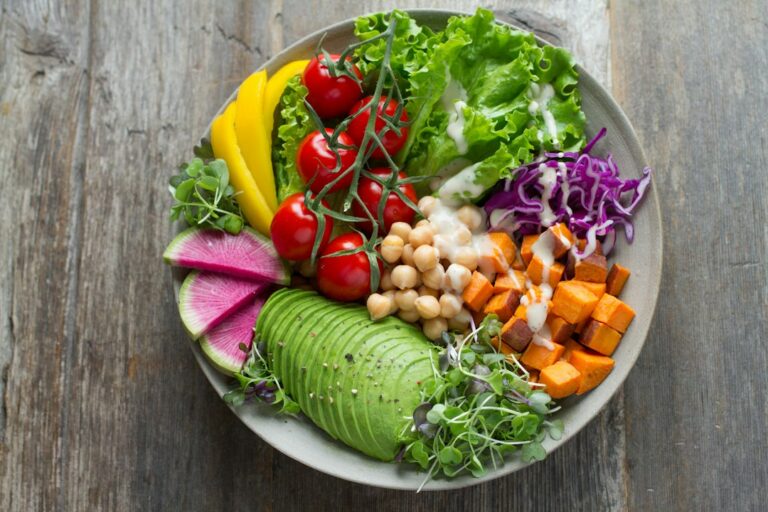
For people without a medical reason to restrict them, a varied diet containing vegetables, fruits, legumes, whole grains, nuts or seeds and other fiber-rich foods can support general digestive health. Someone with a confirmed food allergy must still avoid that allergen; “gut health” advice should never override an allergy emergency plan.
Avoid Over-Restricting the Diet
Removing many foods based on unvalidated sensitivity testing can reduce fiber variety and nutritional adequacy. If symptoms suggest both allergy and gastrointestinal disease, coordinated evaluation may be more useful than repeated elimination diets.
Related Guides
Read food allergy vs intolerance, food allergy testing and histamine intolerance.
Frequently Asked Questions
Does dysbiosis prove I have a food allergy?
No. Food allergy is diagnosed from clinical history and appropriate allergy testing, not a commercial microbiome profile.
Should I take probiotics for food allergy?
Do not rely on probiotics to protect you from an allergic reaction. Discuss supplements with a clinician, especially for children or people with medical conditions.
Can diet prevent all food allergies?
No. Food-allergy development is influenced by multiple factors, and microbiome-targeted prevention research remains an active field.
Bottom Line
The microbiome is scientifically relevant to food allergy, but current research does not support simplistic “gut cure” claims. Established allergy diagnosis and management remain essential.
Medical References
Peer-reviewed reviews indexed in PubMed on the gut microbiome, food allergy, probiotics and prebiotics, including Bunyavanich et al. and recent systematic reviews of microbiome-targeted nutrition.
Educational information only; do not use supplements or diet changes as a substitute for medical allergy care.
